Duda and Grow Local serve different primary audiences, which explains their contrasting feature sets and pricing structures. The website builder landscape includes many options, but understanding each platform's core focus reveals which businesses they serve best.
| Aspect |
Duda |
Grow Local |
| Primary Target |
Web agencies and designers |
Local service businesses |
| Business Model |
Agency white-label platform |
Direct local business platform |
| Core Strength |
Design flexibility and client management |
Local SEO and lead generation |
| Typical User |
Marketing agencies, freelancers |
Plumbers, electricians, contractors |
| Setup Complexity |
Requires technical knowledge |
Done-for-you approach |
What Duda Offers Web Designers and Agencies
Duda positions itself as a comprehensive solution for agencies managing multiple client websites. The platform provides extensive Duda agency features including client management dashboards, team collaboration tools, and white label website capabilities that allow agencies to brand the platform as their own. Professional designers appreciate Duda's advanced styling options, custom CSS support, and client presentation tools.
The white label website functionality enables agencies to maintain their brand throughout the client experience. Agencies can customize the dashboard, set their own pricing, and manage multiple client sites from a single interface. This approach works well for design agencies that handle ongoing website management for their clients and need sophisticated project management capabilities.
Grow Local's Focus on Service Business Results
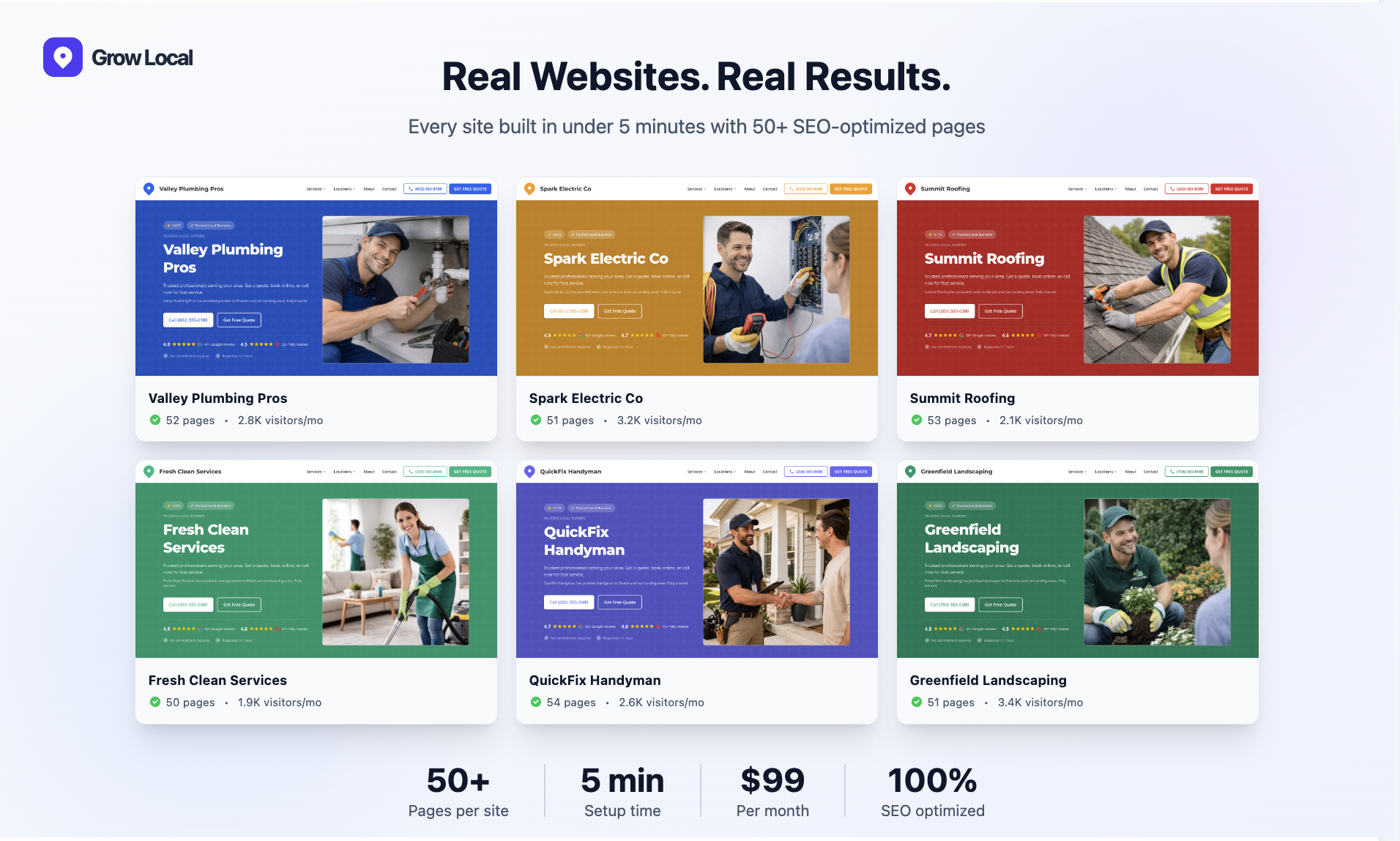
Grow Local takes a different approach by focusing exclusively on local service business success. Rather than providing generic website building tools, the platform includes features specifically designed for lead generation website performance. Every element addresses the unique challenges that local service businesses face in attracting customers through search engines.
The platform was built around the understanding that local service business owners need websites that generate phone calls and service requests, not just look professional. This focus influences every feature decision, from automatic neighborhood page creation to integrated review management systems that help businesses build trust with potential customers in their service areas.
Feature Comparison for Local Businesses
When comparing website features for local businesses, the differences between general-purpose platforms and specialized solutions become apparent. Local service businesses have specific needs that generic website builders often overlook or treat as add-on features rather than core functionality.
| Feature |
Duda |
Grow Local |
| Monthly Cost |
$25-$44+ (plus extras) |
$99 (all-inclusive) |
| Custom Website |
✓ |
✓ |
| Local SEO Built-In |
Basic |
✓ |
| Neighborhood Pages |
✗ |
✓ |
| Blog with AI Writer |
✗ |
✓ |
| Schema Markup |
Limited |
✓ |
| Google Business Profile Integration |
✗ |
✓ |
| Dedicated Support |
Email only |
✓ |
| Contract Length |
Annual commitment |
Month-to-month |
Built-in Local SEO Capabilities
Local SEO requirements differ significantly from general website optimization. Effective local SEO includes proper schema markup implementation, location-specific content organization, and Google Business Profile integration. Duda provides basic SEO tools but lacks the specialized local search features that help service businesses rank in their target neighborhoods.
Grow Local includes comprehensive local SEO features as standard functionality. The platform automatically generates proper schema markup for local businesses, creates location and service-specific landing pages, and maintains consistent NAP (Name, Address, Phone) information across all pages. These technical elements directly impact local search rankings and are built into every website rather than requiring manual setup or additional plugins.
Content Creation and Management Tools
Content creation challenges plague many local service businesses. While they excel at their trades, writing compelling website content and regular blog posts often proves difficult and time-consuming. This gap between technical expertise and content marketing skills affects their ability to maintain fresh, engaging websites.
Duda provides standard blog management tools but lacks specialized content creation assistance for local businesses. Users must create all content themselves or hire outside writers. Grow Local addresses this challenge with an integrated AI content writer specifically trained on local service business needs. The system generates relevant blog posts, service descriptions, and FAQ content that helps businesses maintain active, informative websites without requiring extensive writing skills.
Pricing Breakdown and Value Analysis
Understanding true website costs requires examining both base subscription fees and additional charges for features that local businesses typically need. Many platforms advertise low starting prices but charge extra for functionality that service businesses consider standard requirements for effective online marketing.
| Pricing Aspect |
Duda |
Grow Local |
| Starting Price |
$25/month |
$99/month |
| E-commerce Ready |
$44/month tier |
Included |
| Advanced SEO Tools |
Higher tiers only |
Included |
| Priority Support |
Agency tier ($199+) |
Included |
| AI Content Creation |
Not available |
Included |
| Setup and Design |
DIY or pay extra |
Included |
| Annual vs Monthly |
Annual discount required |
Month-to-month available |
Duda's Pricing Tiers and Hidden Costs
Duda cost structure appears attractive initially, but additional expenses accumulate quickly when local businesses need full functionality. The basic $25/month plan lacks many features that service businesses require, pushing most users toward higher-priced tiers. Website builder pricing often excludes setup assistance, forcing business owners to either learn the platform themselves or pay for professional help.
Additional costs include premium template access, advanced SEO tools, priority customer support, and e-commerce capabilities. Local businesses often discover these limitations after subscribing, leading to unexpected budget increases or compromised website functionality. The platform also requires annual commitments for significant discounts, reducing flexibility for businesses testing their online marketing approach.
Grow Local's All-Inclusive Approach
Grow Local pricing follows an all-inclusive website model at $99/month with no hidden fees or feature restrictions. This transparent pricing includes professional website design, setup, all local SEO features, AI content creation, dedicated support, and ongoing maintenance. Local service businesses receive everything needed for effective online marketing in a single monthly fee.
The pricing structure eliminates surprise costs and upgrade pressure. Business owners know their exact monthly website investment from the start, making budget planning simpler. The month-to-month billing option provides flexibility for seasonal businesses or those testing different marketing strategies without long-term contract commitments.
Local Business Limitations of Duda
Generic website builders face inherent limitations when serving local service businesses. These platforms focus on broad market appeal rather than the specific optimization requirements that help local businesses rank in neighborhood searches and attract nearby customers seeking immediate service.
Local SEO limitations become apparent when businesses struggle to rank for neighborhood-specific searches or service area combinations. Without specialized local business features, service companies find themselves competing at a disadvantage against competitors using purpose-built local marketing platforms. The gap between general website functionality and local business needs affects lead generation and customer acquisition.
Missing Neighborhood and Service Area Pages
Neighborhood pages represent one of the most significant limitations for local service businesses using Duda. These location-specific pages help businesses rank for searches like "plumber in [neighborhood]" or "electrician near [area name]." Service area SEO requires systematic creation of these pages with proper optimization and relevant local content.
Duda lacks automated neighborhood page generation, forcing businesses to manually create dozens of location-specific pages. This process requires significant time investment and SEO knowledge to execute effectively. Most local business owners lack the resources or expertise to create comprehensive neighborhood targeting, resulting in missed opportunities for local search visibility and customer acquisition.
Template Limitations for Local Businesses
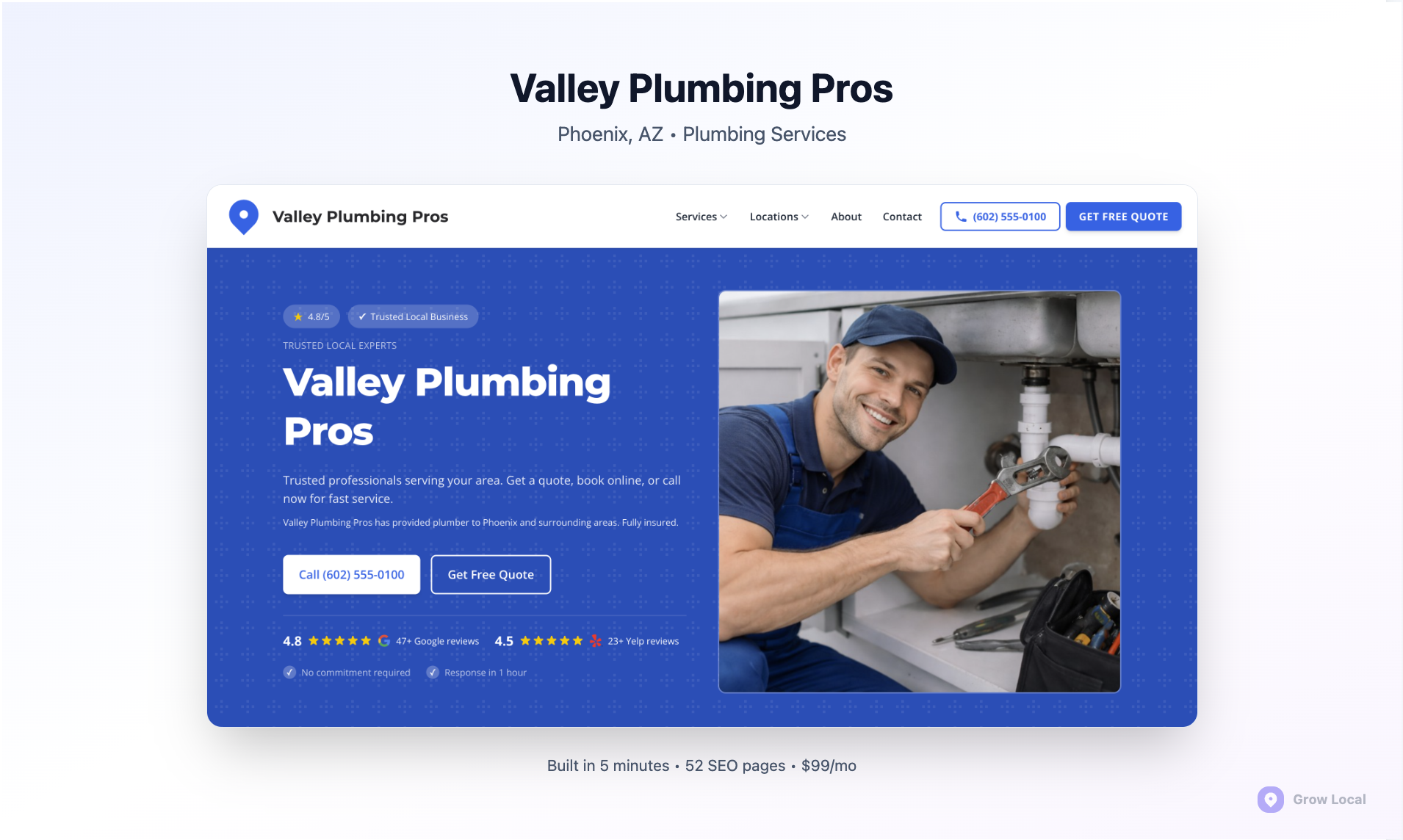
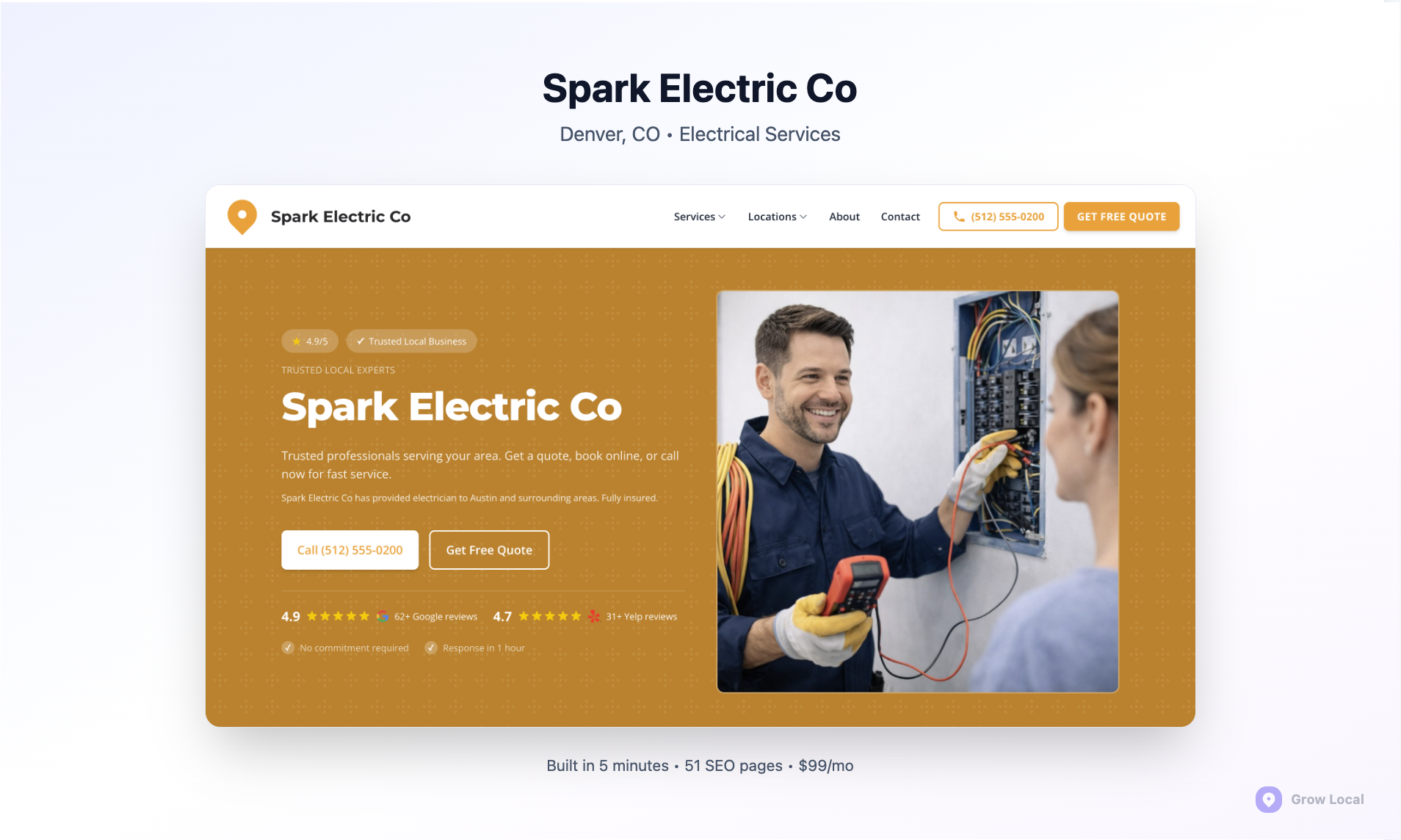
Local business templates on general platforms often reflect generic design approaches rather than conversion-focused layouts that generate leads. Effective service business websites prioritize prominent contact information, clear service descriptions, and trust-building elements like customer reviews and service area maps. Generic templates may look professional but fail to drive the specific actions that local businesses need.
Service business design requirements include prominent phone numbers, service request forms, and clear calls-to-action that encourage immediate contact. Duda's templates cater to various business types, diluting their effectiveness for specific industries. The platform lacks industry-specific optimization that helps local service businesses stand out in their competitive markets and convert website visitors into paying customers.
Local search rankings depend on different factors than general website SEO. Local businesses must optimize for geographic modifiers, service-location combinations, and proximity-based searches while maintaining strong technical SEO foundations. The platform's approach to these local-specific requirements significantly impacts search performance and lead generation.
| SEO Factor |
Duda |
Grow Local |
| Local Schema Markup |
Manual setup required |
Automatic implementation |
| Page Speed Optimization |
User responsibility |
Built-in optimization |
| Mobile Responsiveness |
Template dependent |
Mobile-first design |
| Local Citation Management |
Not included |
Integrated system |
| Google Business Profile Integration |
Manual linking |
Automatic synchronization |
| Location Page Creation |
Manual process |
Automated generation |
| Review Integration |
Third-party plugins |
Native functionality |
Technical SEO and Site Structure
Technical SEO forms the foundation of search engine visibility, but local businesses need specific technical optimizations that general platforms may overlook. Page speed, mobile responsiveness, and proper site structure affect both search rankings and user experience. Local service businesses cannot afford technical SEO weaknesses that handicap their search performance.
Grow Local prioritizes technical SEO elements that matter most for local search rankings. The platform includes automatic site structure optimization, fast loading times, and mobile-first design principles. Every website receives technical SEO auditing and optimization without requiring additional setup or technical knowledge from business owners. This approach ensures consistent search engine performance across all local business websites.
Local Citation and Directory Integration
Local citations and business directories play crucial roles in local search algorithms. Consistent business information across multiple platforms signals credibility to search engines and helps businesses appear in location-based searches. Managing citations across dozens of directories requires systematic attention to NAP consistency and ongoing monitoring.
Duda lacks integrated citation management, forcing businesses to handle directory submissions and updates manually. This approach increases the risk of inconsistent information that can harm local search rankings. Grow Local includes comprehensive business directories management and monitors NAP consistency across major platforms. The integrated approach ensures that business information remains accurate and optimized for local search algorithms.
Choosing the best website platform depends on specific business goals, technical capabilities, and marketing priorities. Both platforms serve legitimate purposes, but their target audiences and strengths align with different business types and operational approaches.
| Business Type |
Best Platform |
Reason |
| Web Design Agency |
Duda |
Client management and white-label features |
| E-commerce Store |
Duda |
Advanced e-commerce customization |
| Plumbing Company |
Grow Local |
Local SEO and lead generation focus |
| Electrical Contractor |
Grow Local |
Neighborhood targeting and service pages |
| National Brand |
Duda |
Design flexibility and customization |
| HVAC Company |
Grow Local |
Local search optimization and AI content |
| Creative Portfolio |
Duda |
Visual design capabilities |
| Home Services |
Grow Local |
Service area pages and Google Business Profile integration |
When Duda Makes Sense
Duda excels for specific business types and scenarios where design flexibility and client management take priority over local search optimization. Duda use cases include web design agencies managing multiple client websites, e-commerce websites requiring extensive customization, and businesses with dedicated technical staff who can handle SEO optimization manually.
Creative professionals, national brands, and businesses serving broad geographic markets may benefit from Duda's design-focused approach. The platform works well for agency clients who need custom functionality and can invest time in learning the platform's capabilities. Businesses with existing technical SEO expertise can take advantage of Duda's flexibility to create highly customized solutions.
Local Service Businesses That Benefit from Grow Local
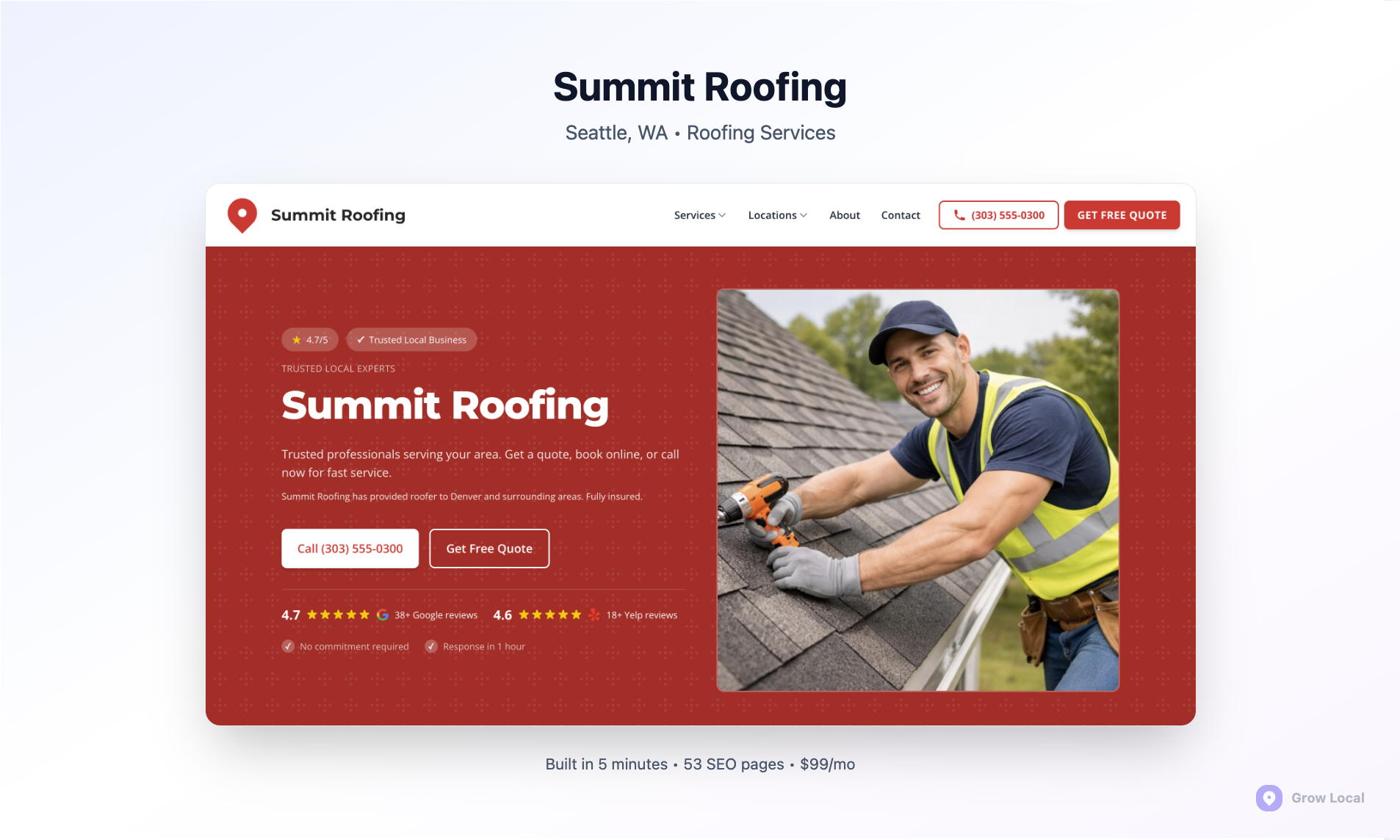
Local service businesses achieve better results with Grow Local's specialized approach. A plumber website built on Grow Local includes automatic neighborhood page generation, service-specific landing pages, and local SEO optimization that helps the business rank for searches in their service area. Similarly, an electrician website receives industry-specific features that generic platforms cannot provide.
Local contractor businesses benefit from Grow Local's focus on lead generation rather than just web presence. The platform includes features specifically designed to convert website visitors into service calls, including prominent contact information, service request forms, and trust-building elements. Emergency service businesses particularly benefit from the platform's mobile-first design and quick-loading pages that help customers find help when they need it most.
Migration Process from Duda to Grow Local
Switching website platforms concerns many business owners who worry about losing their existing online presence or experiencing downtime that could cost them customers. Understanding the website migration process helps businesses make informed decisions about platform changes and plan for smooth transitions.
The switch website platform process involves several steps, but professional migration services handle most technical details. Business owners should understand what to expect during migration, including timeline expectations, content preservation, and potential temporary impacts on search rankings. Proper planning minimizes disruption and ensures continued online visibility throughout the transition.
What Happens to Your Existing Site
Content migration preserves important elements from the existing website, including written content, images, and basic page structure. The migration process involves analyzing the current site, identifying valuable content, and reorganizing it within Grow Local's local business-optimized framework. Professional migration teams handle technical details while ensuring that no important content gets lost during the transition.
During website transfer, the existing site remains live until the new version is ready for launch. This approach prevents business interruption and maintains search engine accessibility throughout the process. Once the new site launches, proper redirects ensure that existing search rankings transfer to the new platform, minimizing any temporary impacts on search visibility.
Timeline and Support During Migration
Migration timeline typically ranges from one to three weeks, depending on the existing site's complexity and content volume. The process includes initial site analysis, content migration, design implementation, local SEO optimization, and thorough testing before launch. Businesses receive regular updates throughout the process and can preview their new site before it goes live.
Dedicated support during migration ensures that business owners understand each step and can provide feedback throughout the process. Unlike DIY platform switches, professional migration includes ongoing communication, technical support, and post-launch monitoring to address any issues quickly. This level of support helps businesses transition smoothly without losing customers or search rankings during the change.
Frequently Asked Questions
Common website platform questions help businesses understand the practical implications of choosing between different solutions. These FAQ address specific concerns about costs, capabilities, and processes that influence platform selection decisions.
Is Duda good for local service businesses?
Duda works for local service businesses but lacks specialized local SEO features and lead generation tools. While the platform provides professional website creation capabilities, local businesses often struggle with neighborhood targeting, automated local optimization, and service-specific page creation. Businesses need additional tools and expertise to achieve effective local search performance.
How much does Duda cost compared to Grow Local?
Duda starts at $25/month but requires higher-priced tiers for full functionality, often reaching $44+ monthly with annual commitments. Additional costs include setup, advanced SEO tools, and priority support. Grow Local costs $99/month all-inclusive with no hidden fees, professional setup, dedicated support, and all local SEO features included from the start.
Can I switch from Duda to Grow Local easily?
Yes, professional migration services handle the technical aspects of switching platforms. The process typically takes one to three weeks and includes content preservation, proper redirects, and local SEO optimization. Your existing site remains live during migration, and dedicated support guides you through each step to ensure smooth transition.
Which platform is better for local SEO?
Grow Local provides superior local SEO capabilities with built-in neighborhood page generation, automatic schema markup, Google Business Profile integration, and local citation management. Duda offers basic SEO tools but requires manual setup for local optimization features. Local service businesses typically achieve better search rankings with Grow Local's specialized approach.
Does Grow Local work for all types of local businesses?
Grow Local specializes in service-based local businesses like plumbers, electricians, HVAC contractors, garage door companies, and similar trades. The platform excels for businesses that serve local customers and need phone calls or service requests. Retail stores, restaurants, or businesses requiring extensive e-commerce customization might benefit from different platforms.
What are the main limitations of Duda for local businesses?
Duda lacks automated neighborhood page creation, specialized local SEO tools, and service business-specific templates. The platform requires manual setup for local optimization, lacks Google Business Profile integration, and uses generic templates that may not convert visitors effectively. Local businesses often need additional tools and expertise to achieve competitive search performance.
How long does it take to build a website on each platform?
Duda requires several weeks to months for DIY setup, depending on technical skills and customization needs. Learning the platform and implementing local SEO takes additional time. Grow Local includes professional setup as part of the service, typically launching optimized local business websites within one to two weeks with full functionality.
Do I need technical skills to use Grow Local vs Duda?
Duda requires moderate technical knowledge for effective local business optimization, including SEO setup, template customization, and ongoing maintenance. Grow Local uses a done-for-you approach with professional setup and ongoing support, requiring minimal technical knowledge from business owners. The platform handles technical optimization automatically while providing easy content management.
Which platform provides better customer support?
Grow Local includes dedicated support as part of all plans, with direct access to local SEO specialists who understand service business needs. Duda provides email support for most plans, with phone support limited to higher-priced agency tiers. Local businesses typically receive more relevant assistance from Grow Local's specialized support team.
Can I create neighborhood pages with Duda?
Duda allows manual creation of neighborhood pages, but the process requires significant time investment and SEO knowledge. The platform lacks automated neighborhood page generation, proper local optimization templates, or guidance for effective service area targeting. Most local businesses struggle to create comprehensive neighborhood coverage without professional SEO assistance.